About The Book
About the Book
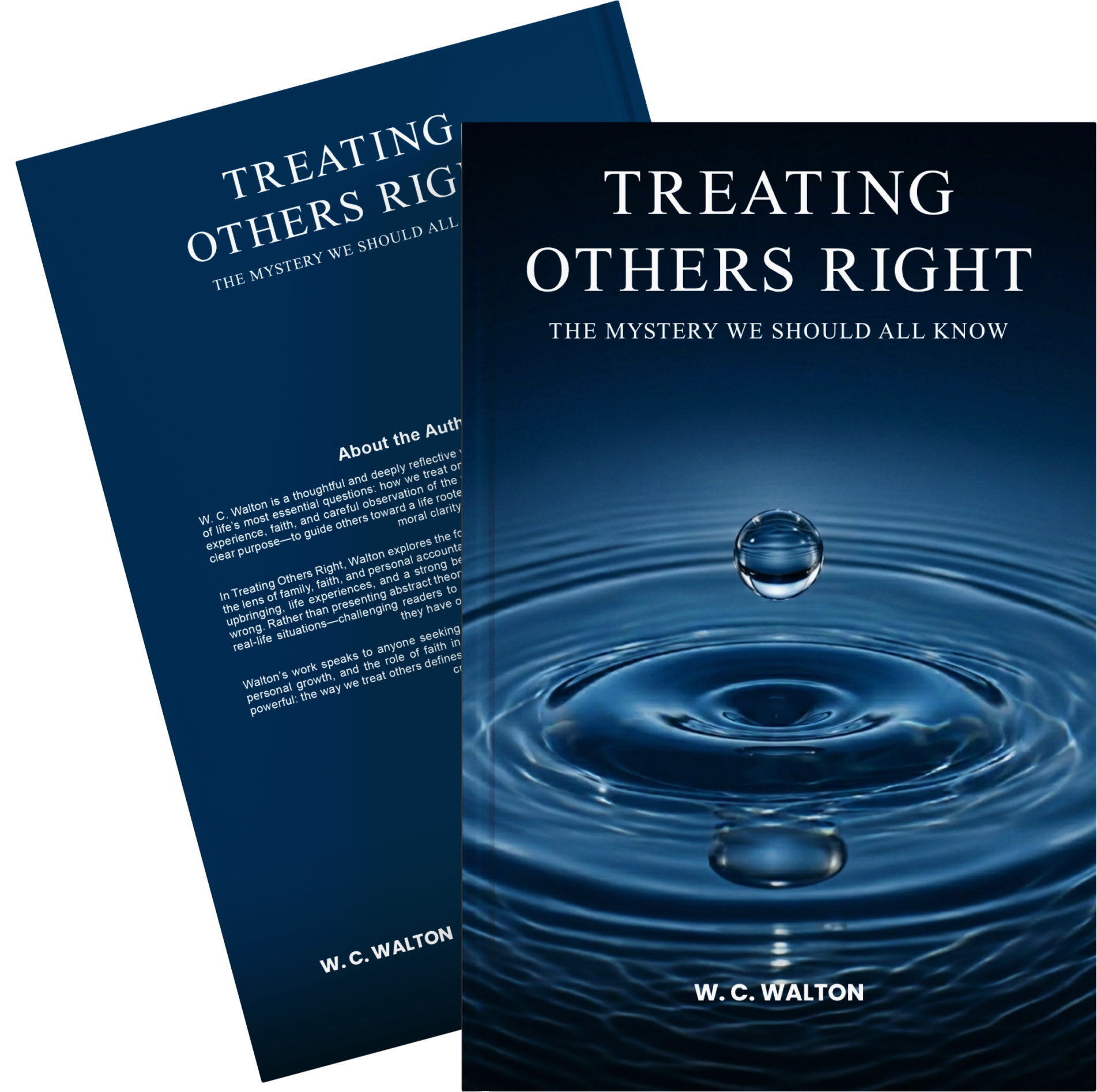
Treating Others Right
There are books that entertain, and then there are books that quietly challenge the way you move through the world. Treating Others Right belongs in the second category. Across its chapters, the book examines how human behavior shapes families, communities, institutions, and entire generations. It begins with personal reflection and gradually expands into larger conversations about race, religion, parenting, morality, social division, and responsibility.
One of the strongest elements of the book is its focus on family as the first place where people learn either kindness or cruelty. The author reflects on his own upbringing and explores how childhood experiences influence the way adults eventually treat others.
The book also explores spiritual questions surrounding right and wrong, repeatedly returning to the belief that treating people with dignity is central to living faithfully. Rather than reducing morality to rules alone, the message focuses on empathy, accountability, grace, and understanding the humanity shared by every person regardless of background.
What makes this work compelling is its balance between conviction and compassion. It confronts prejudice, neglect, selfishness, and division honestly, but it also insists that people are capable of change. Again and again, the book returns to the idea that even broken beginnings do not have to define the ending.
Why Read IT?
Treating Others Right
The world does not suffer from a lack of information. It suffers from a lack of compassion. Treating Others Right speaks directly into that reality. This book asks readers to slow down and reconsider the way everyday actions affect the people around them. It reminds us that kindness inside a family can shape generations, while cruelty can echo just as far.
If you have ever questioned why division feels so strong in modern life, why families struggle to stay connected, or why empathy often feels rare, this book offers thoughtful reflection without pretending life is simple. It encourages readers to become more intentional in the way they speak, respond, forgive, parent, worship, and live.
More than anything, it leaves readers with the feeling that treating others right is not just good advice. It may be the foundation on which healthier lives and healthier societies are built.